If you are replacing a premium roof in Naperville, Homer Glen, Frankfort, or Orland Park, the choice usually comes down to three looks: the split texture of cedar shake, the deep profile of clay tile, or a composite like DaVinci that imitates slate or shake in polymer. Each one can be the right answer. Each one is the wrong answer on the wrong house.
The short version: DaVinci composite is the most forgiving of Chicago weather and hail, cedar is the most authentic but needs the most attention, and clay or concrete tile is the longest-lived but the heaviest and the most likely to need a structural check before it goes on.
Here is how they compare on what matters in our climate.
Look and curb appeal
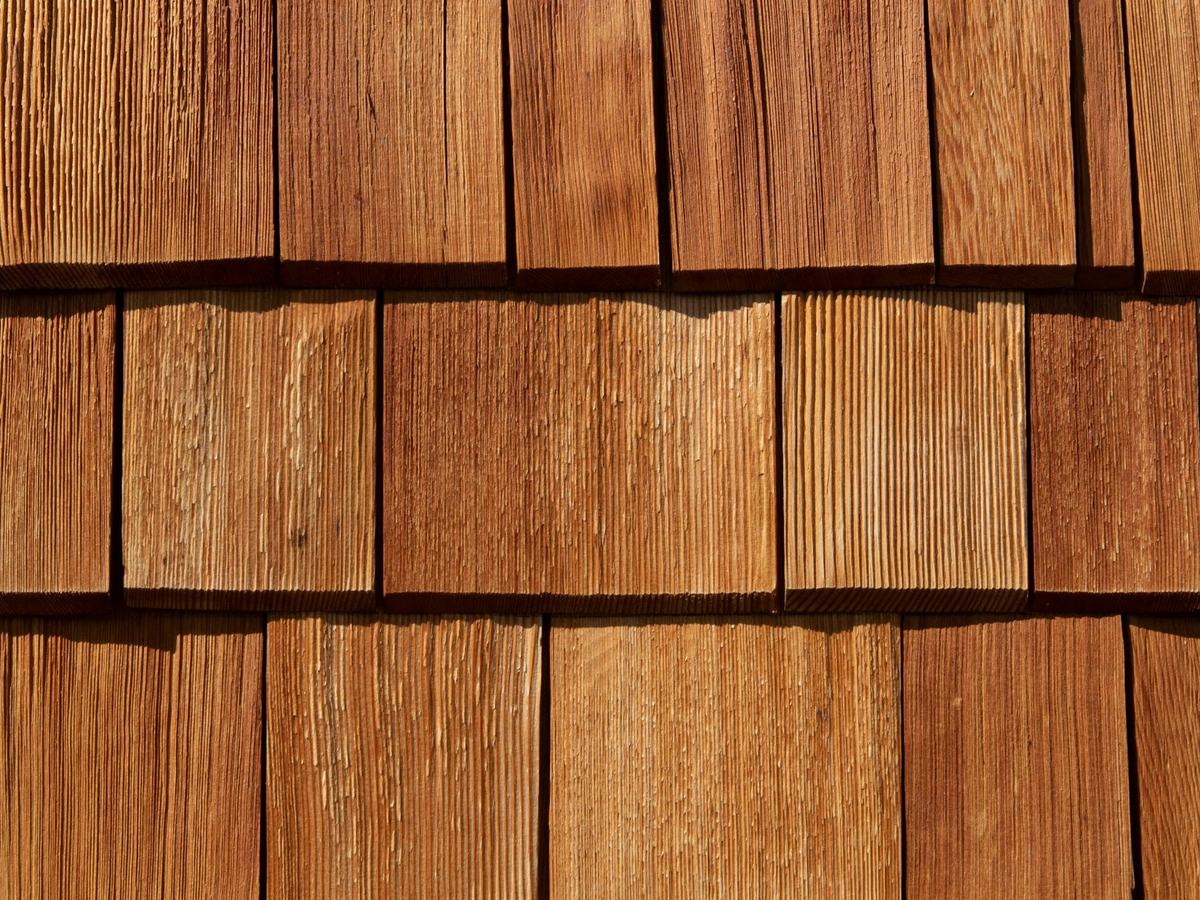
Cedar shake is the original. Hand-split or tapersawn, it has a texture no imitation fully matches, and it silvers as it weathers. On a Tudor, a Craftsman, or a shingle-style home, it is the look the architecture was drawn for.
Clay and concrete tile reads Mediterranean, Spanish, or mission on a barrel profile. The color is fired in, so it holds for decades.
DaVinci composite is molded from real slate and shake, with multiple widths and color blends in a bundle so the roof does not repeat. From the street, a well-installed DaVinci shake roof passes for cedar. Up close, the difference is that it stays the color you picked.
Weight and structure
Clay and concrete tile are heavy — several times the weight of asphalt shingle per square. A house framed for asphalt or cedar may not carry tile without added rafters, purlins, or engineering. A structural check is not optional on a tile conversion; it is the first step.
Cedar shake is moderate weight and installs on most existing framing. DaVinci is lighter than cedar and far lighter than tile, which is why it is a common replacement for a failing cedar roof: no structural change, same look.
Chicago winters and hail
Freeze-thaw
Our winters cycle above and below freezing dozens of times. Water gets into anything porous, freezes, expands, and works the material apart.
Clay tile handles this well if it is a freeze-thaw-rated tile installed with proper underlayment and ventilation. Low-fired or imported tile not rated for our zone can spall and crack within a few winters.
Cedar takes on moisture, dries, and moves. That is normal for wood, but it means a cedar roof here depends on ventilation and on being kept clear of debris that traps water.
DaVinci polymer does not absorb water, so freeze-thaw is not a mechanism that affects it. Ice and water shield at eaves and valleys still matters under all three.
Hail and impact
In general terms:
- DaVinci carries an impact rating and is engineered to flex under a hailstone rather than fracture. It is the option most often chosen specifically because of hail exposure.
- Cedar absorbs impact reasonably well when new; as it weathers and dries, it splits more easily. Hail on an older cedar roof tends to show as split and cupped shakes.
- Clay tile is hard but brittle. Large hail can crack it, and cracked tiles let water reach the underlayment. Concrete tile is somewhat more forgiving but still chips.
If you are unsure whether a recent storm hit your current roof, the ground-level signs of hail damage apply to every material, not just asphalt.
Maintenance and lifespan
Cedar needs the most care: periodic cleaning, treatment, and replacement of split shakes. Well-maintained cedar in our climate is typically a multi-decade roof; neglected cedar is not.
Clay tile, properly installed and rated for freeze-thaw, is often the longest-lived of the three. The tiles can outlast the underlayment, which is why older tile roofs sometimes need the tile lifted and the underlayment replaced.
DaVinci needs very little: no treatment, no moss concern, occasional cleaning. It has been in the field long enough to have a track record in cold climates.
Relative cost
Installed, cedar and DaVinci typically land in a similar range, with cedar varying widely by grade. Clay tile usually costs the most once you include structural work and the specialized labor. All three sit well above asphalt shingle.
Insurance, scope, and why to bring a GC in first
Like-for-like
Most homeowner policies pay to replace damaged roofing with material of like kind and quality. If your cedar roof is a covered loss, the claim is generally scoped as cedar. If you want to upgrade to DaVinci, the difference is usually on you, though the gap is sometimes small. If the carrier scopes your cedar roof as asphalt, or scopes a hail-cracked tile roof as a spot repair, that is a scope disagreement worth pushing on. Our adjusting side handles that; here is how.
Before the adjuster scopes it
Carrier estimates go wrong most often on premium roofs, because field adjusters see far more asphalt than cedar or tile. A general contractor who installs these systems knows what the tear-off involves, what underlayment and flashing details the material needs, whether the decking under old cedar is skip-sheathing that has to be replaced with solid decking, and what the manufacturer’s installation requirements are. Having that on paper before the carrier’s inspection means the scope starts from the right place instead of being corrected later.
Trident Construction Group installs DaVinci, cedar shake, clay and concrete tile, natural slate, and metal, and you can see the systems we work with before you decide.
Trying to choose between DaVinci, cedar, and tile? Send us the house and the situation through the form or call (903) 952-2766. We will tell you what fits and what your structure will carry.
Quick answers
Is DaVinci roofing good for hail?
DaVinci composite carries an impact rating and is designed to flex under hail rather than fracture, which is why it is often chosen in hail-prone areas like the Chicago suburbs.
Can my house support a clay tile roof?
Not every house can. Clay and concrete tile are several times heavier than asphalt or cedar, and a structural review by a general contractor or engineer is the first step before a tile conversion.
Will insurance pay to replace cedar shake with DaVinci?
Policies typically pay for like kind and quality, so a cedar loss is generally scoped as cedar. Any upgrade difference is usually the homeowner’s cost, though the gap is sometimes small.